



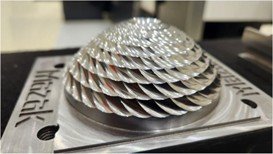
The die and mould industry is the backbone of manufacturing, enabling the mass production of components used in the automotive, electronics, aerospace, and consumer goods sectors. In India, this industry has witnessed rapid growth due to increasing industrialisation, government initiatives, and rising demand for high-precision components. The market is expected to grow at a CAGR of around 11–12%, with significant investments in advanced tooling technologies. Mazak proposes VC-Ez Series machines, 5-axis machines and multi-tasking machines with optimal machine performance for die & mould processing and adaptation to the latest materials. Mazak machines contribute to cost reduction by achieving high productivity and process consolidation.
The Shifting Landscape of Indian Manufacturing
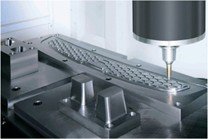
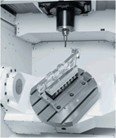
Historically, India relied heavily on imported high-precision moulds. However, localised supply chains are now a priority. Indian manufacturers are moving away from traditional & conventional methods towards modern, technology-driven solutions to meet market demands.
Modern die and mould manufacturing requires the following:
- Tight tolerances (micron-level accuracy)
- Complex 3D geometries
- High surface finish quality
- Reduced lead time
Why Mazak is the Preferred Partner
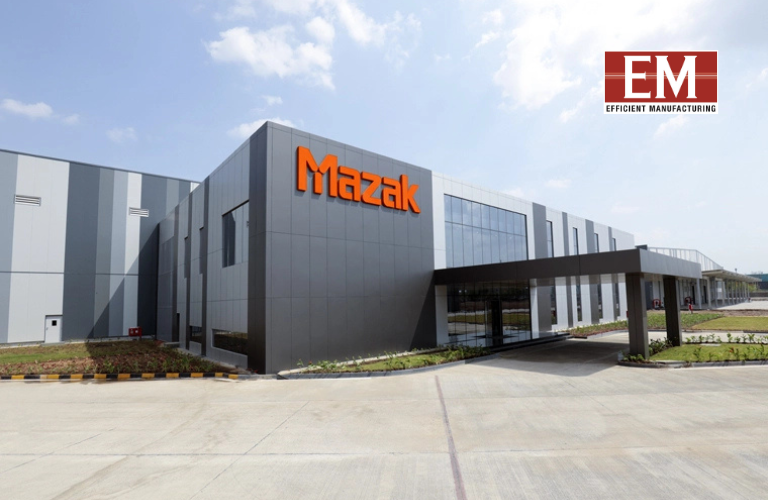
Mazak’s reputation in India isn’t just built on the number of machines installed across tool rooms and manufacturing plants; it is rooted in the company’s ability to combine advanced technology with strong, reliable customer support. Mazak Corporation has consistently focused on delivering high-performance CNC solutions tailored to the needs of Indian manufacturers, especially in demanding sectors like die and mould. What truly differentiates Mazak in the Indian market is its end-to-end ecosystem.
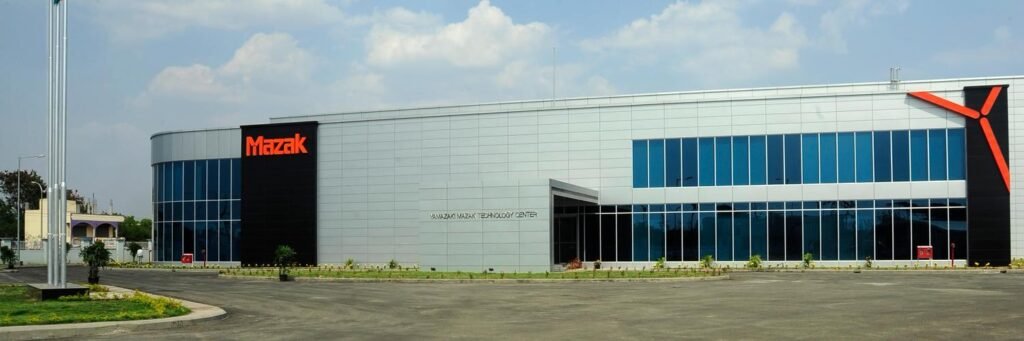
This includes not only cutting-edge machines with smooth CNC controls and multi-axis capabilities but also comprehensive after-sales service, application support, and operator training. In industries where downtime directly impacts delivery schedules, Mazak’s prompt service response and technical assistance play a critical role in maintaining productivity.
Additionally, Mazak’s local presence in India, with technology centres, service engineers, and training facilities, ensures that customers are not just buying a machine but gaining a long-term manufacturing partner. This combination of innovation, reliability, and customer-centric approach has helped Mazak build strong trust among Indian die and mould manufacturers, enabling them to compete with global standards.
Key Machine Series for Die & Mould Industry:
VC-Ez Series: High-Performance Compact Vertical Machining Centre, Simple to Operate, Powerful in Performance
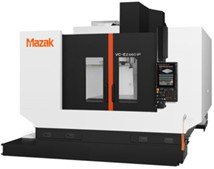
The VC-Ez series is a compact vertical machining centre made in India. It has the largest table size and machining area in its class, allowing it to accommodate large workpieces and fixtures. It also comes standard with a high-performance 12,000 min-1 spindle, which enables not only heavy cutting but also high-speed machining using small-diameter tools, resulting in shorter machining times.
Linear roller guides provide stable machining over extended periods of operation.
The Thermal Shield technology ensures stable, continuous machining accuracy.
VC-Ez machines are optimised for simple operation as well as fast and easy installation, enhanced ergonomics, and stable and reliable part processing with long-term reliability. Mazak is having 3 models under this series, VC-Ez410 IP, VC-Ez 510IP and VC-Ez 660IP.
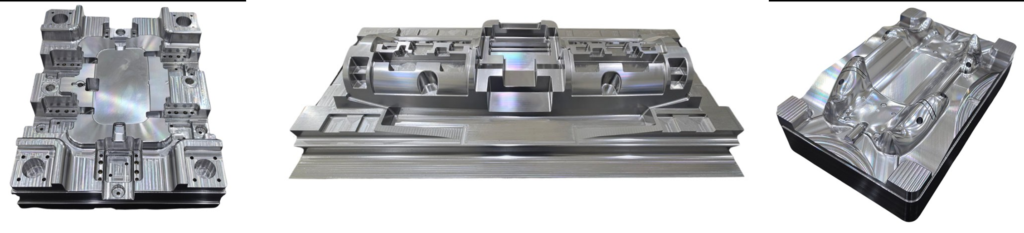
VARIAXIS Series: Precision Without Limits, Performance Without Compromise
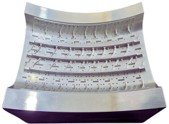
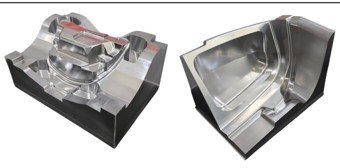
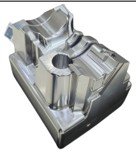
These simultaneous 5-axis vertical machining centres serve as the backbone for machining complex, curved surfaces typical in die and mould applications. By enabling shorter tool protrusion, they enhance rigidity, improve cutting stability, and deliver superior surface finish.
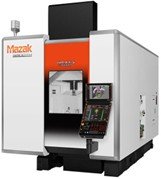
The Mazak Variaxis series is offered in three families: i-Series, j-Series, and C-Series, each designed to meet specific customer requirements ranging from high-precision complex machining to cost-effective and compact 5-axis solutions.
The VARIAXIS lineup from Yamazaki Mazak offers a wide range of spindle options and automation solutions, enabling highly productive, flexible, and efficient 5-axis machining tailored to diverse manufacturing requirements.
Best Practices for Efficient and Productive Machining

Effective machining begins with a deep understanding of your equipment and process. Operators should be familiar with machine capabilities and refer to the power–torque diagram when selecting cutting parameters to extract maximum performance from the spindle. A clear distinction between high-feed milling and high-speed machining is essential, as the choice depends on spindle characteristics and the material being machined. Equally important is selecting a suitable workholding system that ensures rigidity and stability throughout the operation. The choice of cutting tools, along with proper tool-holding mechanisms, directly influences accuracy, surface finish, and tool life. Leveraging advanced machine features, such as SMC (Smooth Machining Configuration) available in controllers from Mazak, can further enhance machining efficiency and precision. Additionally, deciding between dry and wet cutting methods based on the application and material plays a key role in process optimisation. When all these factors are carefully aligned, they collectively help improve productivity, achieve better surface quality, and ensure consistent machining performance.
In Summary
The die and mould industry in India is rapidly evolving, driven by increasing demand for precision, efficiency, and reduced lead times. Advanced machining solutions from Mazak, including the VC-Ez and VARIAX-IS series, are enabling manufacturers to meet these challenges with confidence. By combining high-performance machine capabilities, flexible configurations, and strong customer support, Mazak is helping Indian tool rooms achieve global standards. Furthermore, the adoption of best machining practices, ranging from optimised cutting parameters to effective utilisation of machine features, plays a crucial role in maximising productivity and ensuring consistent quality. Together, technology and process excellence will continue to shape the future of India’s die and mould manufacturing industry.

