



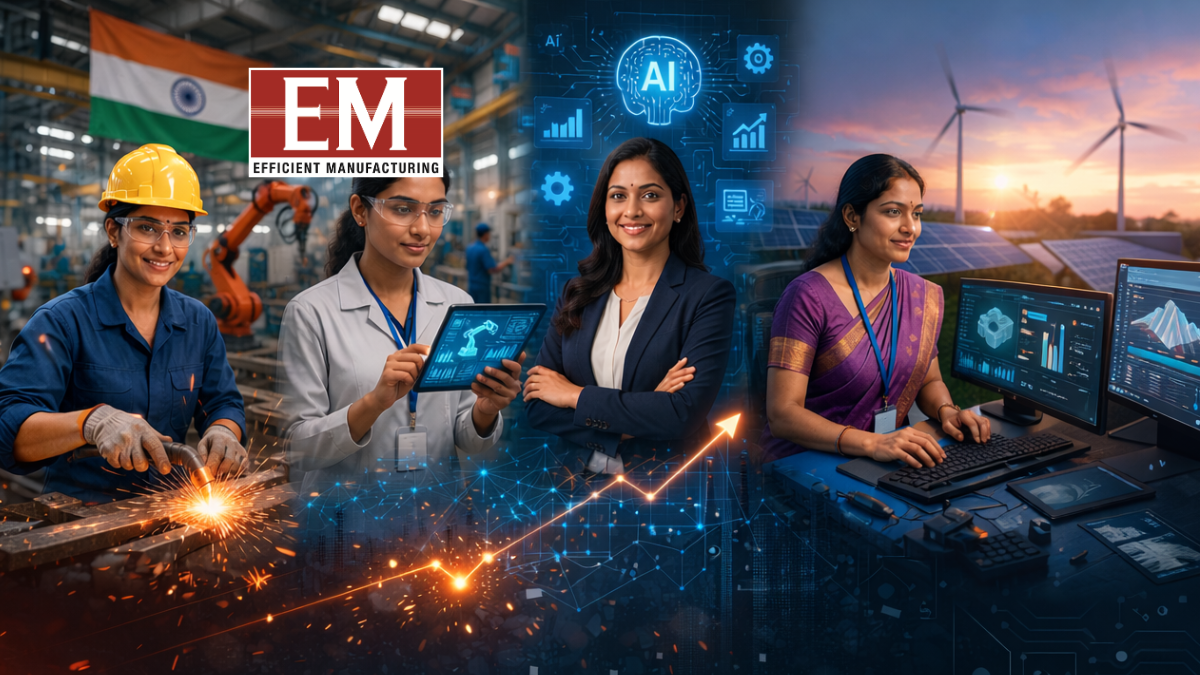



As the world marks International Women’s Day, the theme set by UN Women this year, “Rights. Justice. Action. For All Women and Girls,” serves as a powerful reminder that gender equality requires more than recognition. It demands tangible action that ensures women have equal access to opportunities, leadership roles, and the ability to shape the future of industries. In sectors such as manufacturing and STEM, where women have historically been under-represented, this call to action is especially significant.
The manufacturing sector is undergoing a transformative phase driven by digital technologies such as artificial intelligence, robotics, automation, and data analytics. Often referred to as the era of smart manufacturing, this shift is redefining the nature of industrial work and creating opportunities for a more diverse and skilled workforce. In this evolving landscape, women in STEM are playing an increasingly vital role in shaping innovation, improving processes, and driving industrial growth.
Across manufacturing ecosystems, women are contributing at every level. On the shop floor, engineers, technicians, and operators are working with advanced machinery, robotics systems, and data-driven production tools to ensure efficient and high-quality operations. The perception of manufacturing as physically demanding labour is gradually being replaced by technology-enabled roles that prioritise technical expertise, problem-solving abilities, and digital proficiency. This shift is opening new pathways for women to enter and thrive in the sector.
Beyond operational roles, women are also making significant strides in research, product development, and technological innovation. From designing AI-enabled production systems to developing sustainable manufacturing solutions, women scientists and engineers are contributing to the next generation of industrial advancements. Their participation brings diverse perspectives that help create more resilient, inclusive, and forward-looking solutions for global manufacturing challenges.
Equally important is the growing presence of women in leadership positions within the manufacturing sector. Women executives, plant heads, technology leaders, and entrepreneurs are helping shape organisational strategies, drive digital transformation, and foster inclusive workplace cultures. Their leadership reflects the spirit of the International Women’s Day theme by demonstrating how rights, justice, and meaningful action can translate into real progress within industries.
However, while progress is visible, the journey towards gender parity in STEM and manufacturing is far from complete. Women remain underrepresented in technical leadership roles and advanced engineering positions across many parts of the world. Addressing this imbalance requires sustained commitment from educational institutions, industry leaders, and policymakers.
Encouraging young girls to pursue STEM education, creating mentorship and networking platforms, and implementing inclusive workplace policies are crucial steps in building a stronger pipeline of women professionals in manufacturing. Companies must also invest in training, reskilling, and leadership development programmes that empower women to advance within technical and managerial roles.
The theme “Rights. Justice. Action. For All Women and Girls” highlights that equality is not achieved through intention alone but through deliberate and continuous efforts. For the manufacturing sector, this means ensuring that women have the same access to opportunities, resources, and leadership pathways as their male counterparts.
As industries continue to evolve in the age of artificial intelligence and advanced automation, the importance of inclusive participation becomes even more critical. Innovation thrives in environments where diverse ideas and perspectives are encouraged.
This International Women’s Day, the achievements of women in STEM and manufacturing reflect a broader shift towards a more inclusive industrial future. From shop floors and design labs to corporate boardrooms, women are not only contributing to the growth of manufacturing but also redefining what leadership and innovation look like in the modern industrial age.

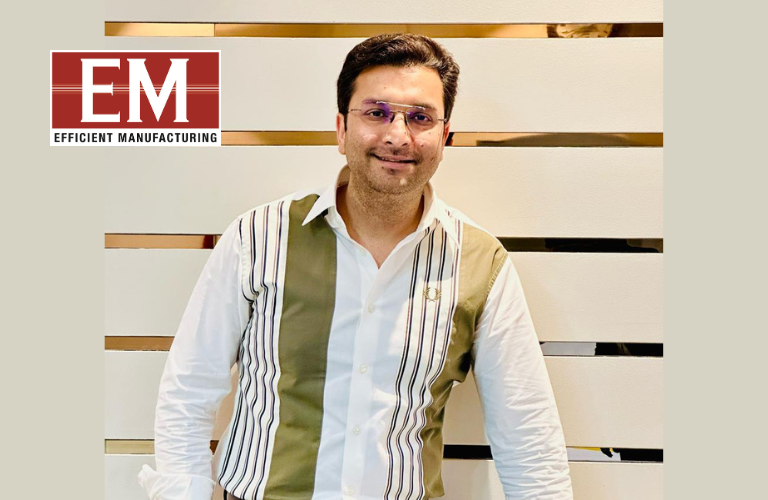
Madhumita Agrawal, Founder & CEO, Oben Electric
Women’s Day is a reminder that leadership is not defined by gender, but by the courage to solve meaningful problems. When women step into spaces like technology, engineering, and manufacturing, they expand what leadership looks like for the next generation. The most important step is believing in your own competence, taking bold risks, and building with conviction. Over time, consistent performance speaks louder than stereotypes, and that is how real change happens.”
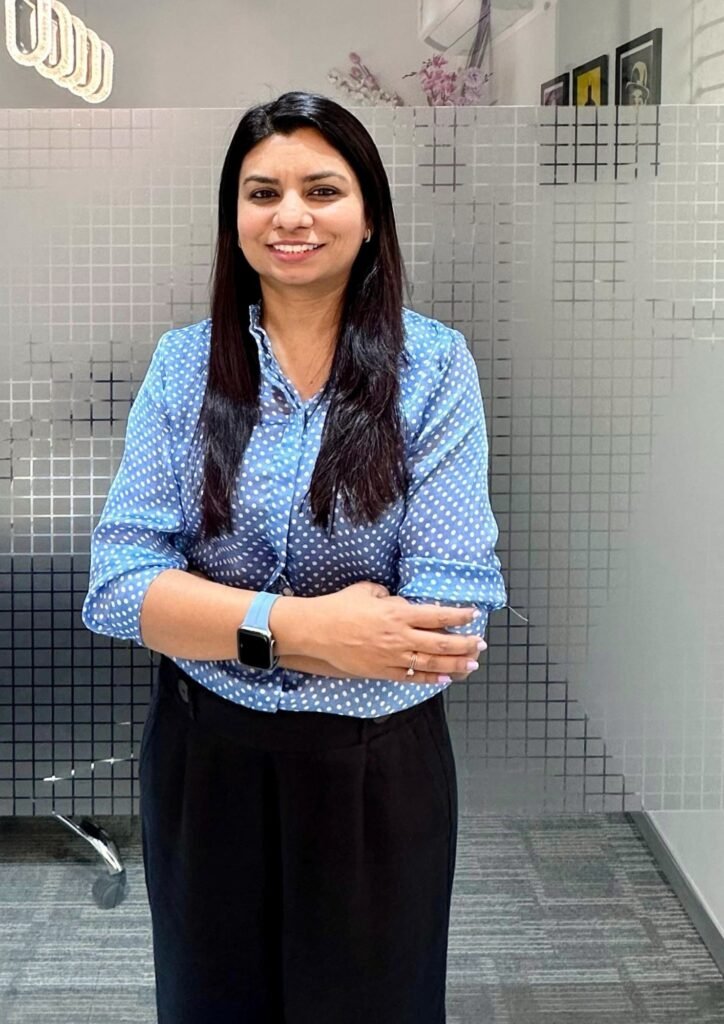
Rupam Singhal, Group Manager & Factory Head, Titan Company
“In manufacturing, gender empowerment is not symbolic. It is embedded in the systems, processes, and leadership behaviours that enable people to contribute meaningfully. As manufacturing has become increasingly technology driven, women are playing a prominent role in engineering, digital design, and advanced production domains. At Titan Company, our manufacturing expertise is powered by collaboration, tech-innovation, and the diverse strengths that our teams bring to the floor. Today, women on our manufacturing front are empowered with distinct skills aligned with modern manufacturing practices.
Incidentally, in order to maximize inclusion of women in manufacturing domains and truly propel industrial growth, it is essential to drive bias free hiring that strengthens gender diversity in technical roles, create ecosystems which foster women participation in STEM fields, provide equitable pay irrespective of gender and create flexible working ecosystems. It is also crucial to curate customized leadership pathways and targeted training modules which prepare women for decision making roles in manufacturing technology and operations.
Additionally, formative policy reforms in manufacturing that improve gender parity and enable the re-entry of women into the workforce after career breaks will play an instrumental role in shaping the future of modern manufacturing. Strengthening returnship programs, investing in reskilling initiatives, and building supportive workplace infrastructure can help retain experienced talent and accelerate women’s participation in high-skill manufacturing roles.”

