





| High-performance lubricants are prolonging the life of tools in modern manufacturing, increasing productivity, and driving down operational costs. Utilizing leading chemical compositions, these lubricants ensure minimal friction and wear of applications to keep machines running longer and more economically. In this article, Dr. Golnaz Aboutorabian, Director, AB Petrochem explores the science behind high-performance lubrication and their respective advantages by demonstrating their transformational power across various industries.
In the realm of modern manufacturing, the pursuit of efficiency, longevity, and sustainability has driven significant advancements in tooling technology. Among these advancements is the development and application of high-performance lubricants. These lubricants play a crucial role in extending tool life, enhancing productivity, and ultimately reducing operational costs. This article explores the impact of high-performance lubricants on tool life and productivity, shedding light on the science behind their effectiveness and the benefits they bring to various industries.
The Science Behind High-Performance Lubricants
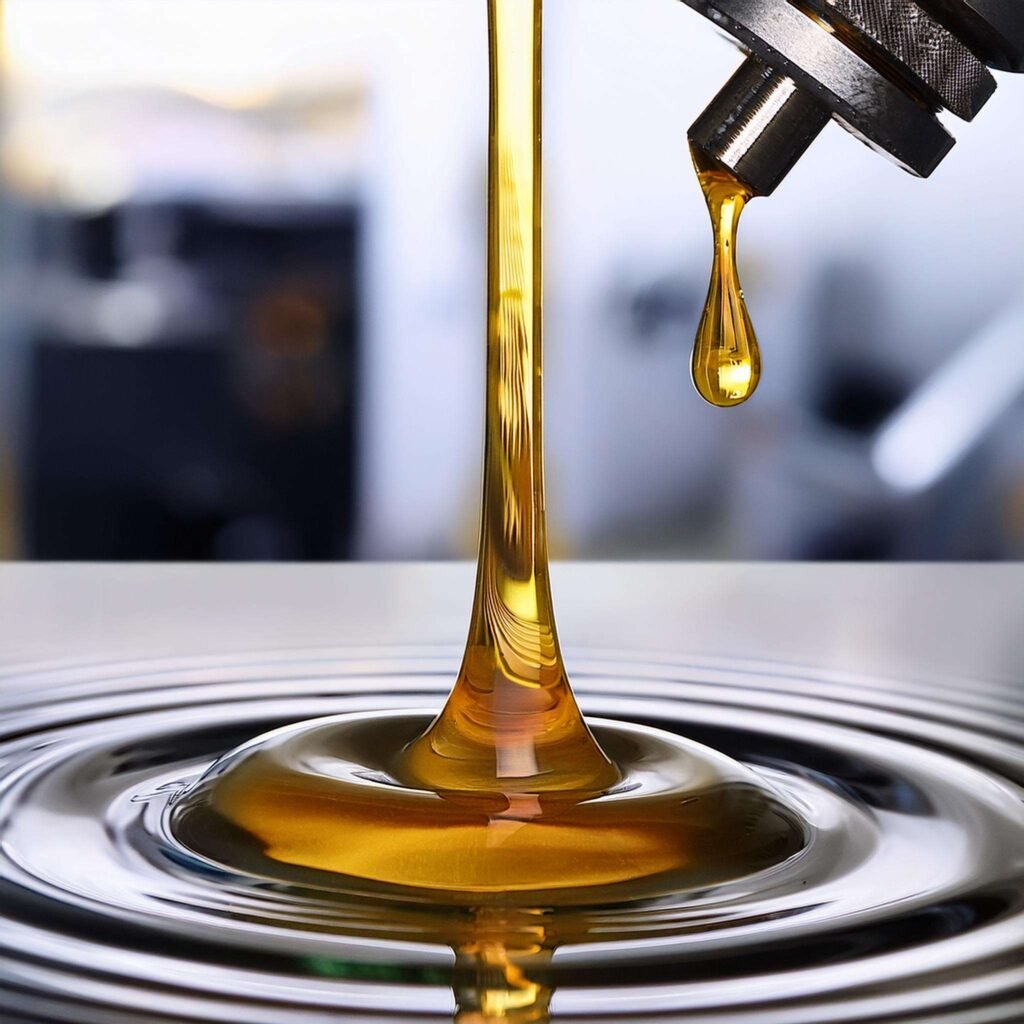
High-performance lubricants are formulated with advanced chemical compositions that provide superior protection and lubrication under extreme conditions. Unlike conventional lubricants, which may break down under high pressure or temperature, high-performance variants maintain their integrity, ensuring consistent performance. These formulations often include specific additives that enhance their properties, such as agents that reduce wear, components that withstand extreme pressures, and others that protect against oxidation.
The primary function of a lubricant is to reduce friction between the tool and the workpiece. Friction generates heat, which can lead to tool wear, deformation, and eventually failure. By minimizing friction, high-performance lubricants reduce heat generation, thereby protecting the tool from thermal degradation. Additionally, these lubricants create a protective layer on the tool’s surface, preventing direct contact with the workpiece and reducing wear.
Extended Tool Life
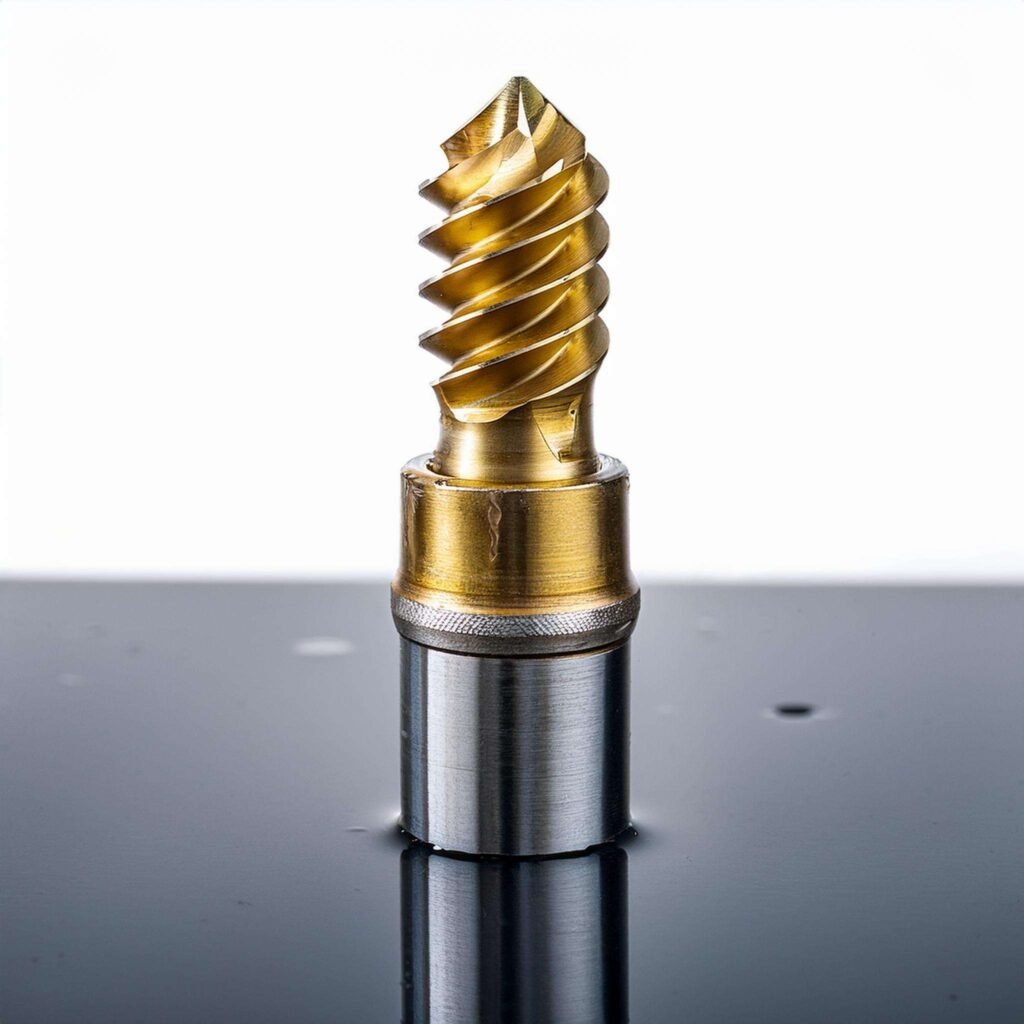
One of the most significant benefits of using high-performance lubricants is the extension of tool life. Tools used in manufacturing, such as drills, cutting blades, and milling machines, are subjected to intense stress during operation. Over time, this stress can cause tools to dull, chip, or break. High-performance lubricants mitigate these issues by providing a more stable operating environment.
Studies have consistently shown that tools lubricated with high-performance products last significantly longer than those using standard lubricants. This extension in tool life is particularly valuable in industries where tools are expensive or difficult to replace. For instance, in aerospace manufacturing, where precision is critical, the longevity of tools directly impacts the quality of the final product and the overall cost of production.
Enhanced Productivity
tecnichan.jpg


Productivity is another area where high-performance lubricants make a significant impact. In manufacturing, downtime is costly. Every minute a machine is not operational due to tool changes or maintenance represents lost revenue. By extending tool life, high-performance lubricants reduce the frequency of tool changes, leading to less downtime and higher productivity.
Moreover, these lubricants allow machines to operate at higher speeds without sacrificing tool integrity. This increase in operational speed translates to faster production times and higher throughput. In industries such as automotive manufacturing, where speed and precision are paramount, the ability to maintain high levels of productivity without compromising tool performance is a considerable advantage.
Cost Efficiency
While high-performance lubricants may involve a higher initial cost compared to conventional options, the long-term savings they offer make them a cost-effective solution. The extended tool life and enhanced productivity reduce the need for frequent tool replacements and machine downtime, leading to significant cost savings. Additionally, the improved efficiency of high-performance lubricants often results in lower energy consumption, further reducing operational costs.
For example, a case study involving a metal fabrication company demonstrated that switching to high-performance lubricants led to a notable reduction in tool replacement costs and a marked increase in production efficiency. These improvements more than offset the initial investment, resulting in a net gain for the company.
Environmental Impact
In addition to the economic benefits, high-performance lubricants also offer environmental advantages. Many of these lubricants are formulated to be more environmentally friendly, with biodegradable options available. By reducing tool wear and extending tool life, they contribute to a decrease in the consumption of raw materials needed for tool production. Furthermore, the reduction in energy consumption associated with the use of high-performance lubricants translates to lower carbon emissions, aligning with global sustainability goals.
Challenges and Considerations
Despite their benefits, the adoption of high-performance lubricants is not without challenges. The initial cost of these lubricants can be a barrier for smaller enterprises with limited budgets. Additionally, not all high-performance lubricants are compatible with every type of machinery or material, necessitating careful selection and testing to ensure optimal results.
Training is another consideration. Operators must be adequately trained to understand the specific requirements and maintenance protocols associated with high-performance lubricants. Improper use or maintenance can negate the benefits and potentially cause damage to tools and machinery.
Future Trends
The field of high-performance lubricants is constantly evolving, driven by technological advancements and growing environmental concerns. Here are some key trends shaping the future of this industry:
- Nanotechnology: The development of lubricants with nanomaterials can enhance their properties, such as reducing friction and improving wear resistance.
- Bio-based lubricants: As demand for sustainable products grows, there is increasing interest in developing lubricants derived from renewable resources.
- Intelligent lubricants: Advanced sensors and analytics can enable lubricants to monitor their own condition and adapt to changing operating conditions.
- Additive manufacturing: The rise of additive manufacturing (3D printing) presents new challenges and opportunities for lubricant development, as these processes often involve unique materials and operating conditions.
- Regulatory changes: Stricter environmental regulations may drive the development of more sustainable and eco-friendly lubricants.
Conclusion
High-performance lubricants are a key factor in enhancing tool life and productivity in modern manufacturing. Their ability to reduce friction, minimize wear, and withstand extreme conditions makes them an invaluable asset in various industries. While the initial investment in high-performance lubricants may be higher, the long-term benefits, including extended tool life, increased productivity, cost savings, and environmental sustainability, make them a worthwhile consideration for manufacturers looking to optimize their operations.
In a competitive market where efficiency and precision are critical, the strategic use of high-performance lubricants can provide a significant edge. As technology continues to evolve, the development of even more advanced lubricants promises to further revolutionize the manufacturing industry, paving the way for greater innovation and productivity.