











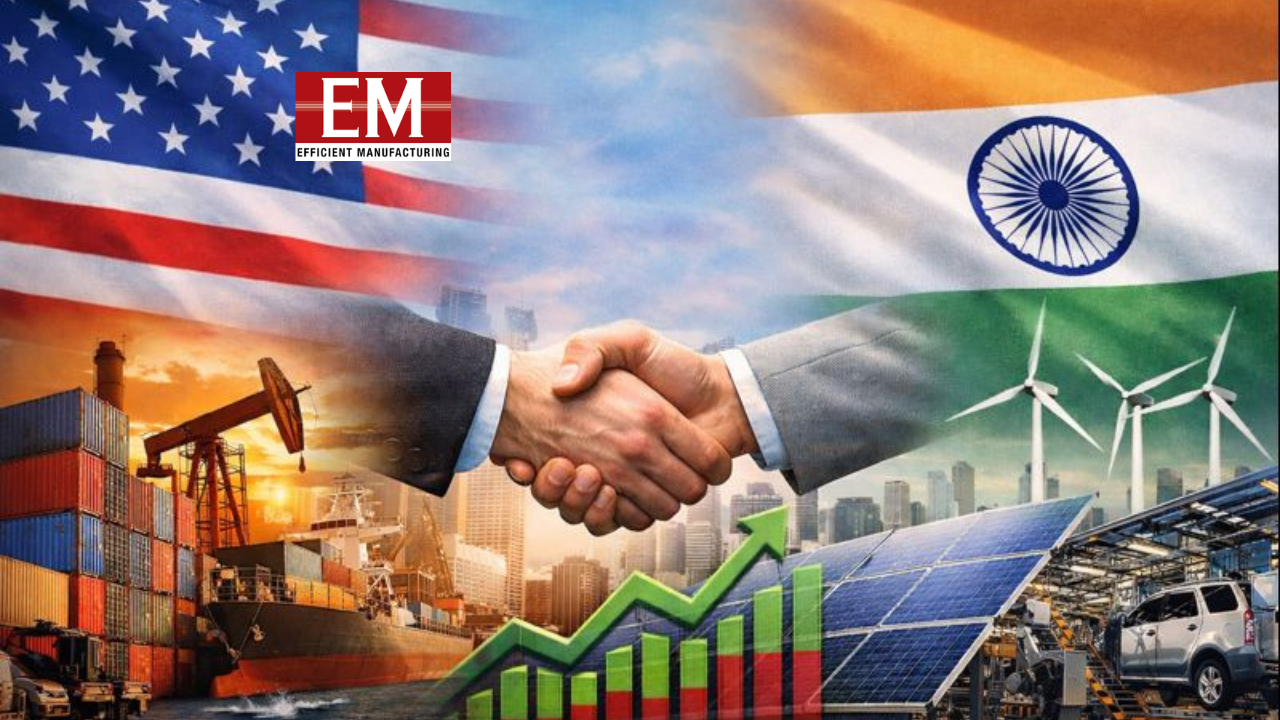
On February 2, 2026 The United States (US) announced a landmark trade deal with India that significantly reduced tariffs on Indian goods, from 25 percent to 18% ending a nearly year-long dispute between both the nations.
For many Indian sectors, the combined effective tariff rate dropped from roughly 15 percent to 18 percent effective immediately.As a part of the agreement, US President Donald Trump’s administration stated that India will have to halt the Russian oil purchases, and pivot to energy supplies from the US and potentially Venezuela. The news was shared The US President via social media stating that, “We agreed a Trade Deal between the United States and India, whereby US will charge a reduced Reciprocal Tariff, lowering it from 25 percent to 18 percent”
The agreement also includes a “Buy American” Pledge, which means that India committed to purchase over $500 Billion in US Goods specifically targeting energy, technology, coal, and agriculture. With the agreement India plans to move towards zero tariffs and non-tariff barriers on the US products, potentially opening its protected agriculture and dairy markets.
Prime Minister Narendra Modi, in response to The US President’s post tweeted that “Wonderful to speak with my dear friend President Trump today. Delighted that Made in India products will now have a reduced tariff of 18%. Big thanks to President Trump on behalf of the 1.4 billion people of India for this wonderful announcement. When two large economies and the world’s largest democracies work together, it benefits our people and unlocks immense opportunities for mutually beneficial cooperation. President Trump’s leadership is vital for global peace, stability, and prosperity. India fully supports his efforts for peace. I look forward to working closely with him to take our partnership to unprecedented heights.”
Through this move, sectors which will be primarily expected to have an impact are:
- Textiles and Apparel
- Fashion and Luxury Jewellery
- Auto Components
- Pharmaceuticals & IT Services
A word from the Industry leaders

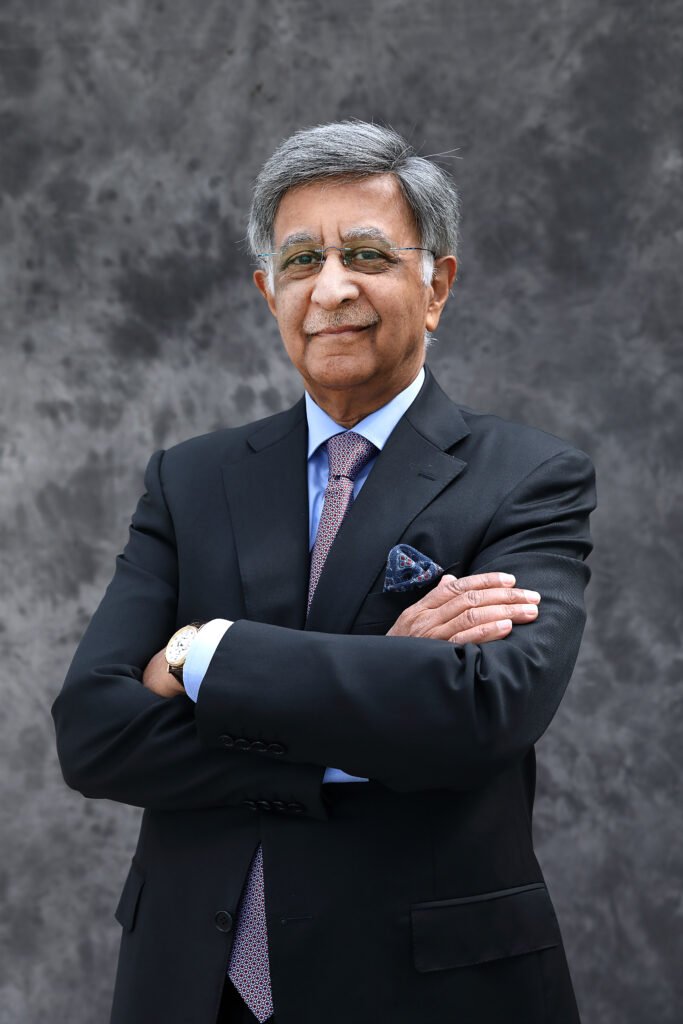
Baba Kalyani, Chairman & MD, Bharat Forge
“The India-US trade deal is not just about trade; it is about a long-term relationship between two of the world’s largest democracies. For the Indian industry, and for Bharat Forge, this is a game-changer.
This agreement strengthens India’s position in the global supply chain and gives companies like Bharat Forge the confidence to expand engagement across automotive, aerospace, and defence. The growth outlook is clearly positive, and we see this as a strong foundation for the next phase of our global expansion.”


Prashant Mathur, CEO of Saatvik Green Energy
“The US decision to reduce tariffs on Indian goods from 25% to 18%, along with the elimination of the additional punitive levy, represents a strategic turning point for the solar sector, rather than just a routine policy change. India’s solar exports, which include solar cells and solar modules, have already reached billions of dollars, making the United States our most important foreign market. This change also strengthens the case for supply chains that are open and reliable. It alleviates long-standing concerns about Chinese producers circumventing tariffs and positions India as a credible and dependable alternative manufacturing base that aligns with U.S. trade and industrial objectives. For companies like Saatvik, this transforms the U.S. market from being high-risk to one full of opportunities, emphasizing the need to accelerate investments, upgrade technology, and establish long-term, bankable partnerships with American utilities and developers.”

Vikrampati Singhania, President, ACMA and Vice Chairman & MD, JK Fenner (India)
“The proposed reduction in reciprocal tariffs to 18%, is a positive step that will enhance the competitiveness of Indian automotive components in the US market. At a time when global supply chains are undergoing structural realignments, this development provides greater predictability and confidence for long-term trade and investment decisions. The United States is among the most important export destinations for India’s auto component industry. A more balanced and facilitative trade framework can unlock further growth in bilateral trade, deepen industrial collaboration, and encourage technology-led partnerships across advanced manufacturing, electrification, electronics, and clean mobility solutions.”


