











A preview by – Team Efficient Manufacturing Magazine
As the Union Budget approaches, the manufacturing sector is closely watching the policy signals that will shape the next phase of India’s industrial growth. With global uncertainties, evolving supply chains, and accelerated technology adoption redefining the operating landscape, industry leaders are looking to the Budget for clarity on investment incentives, infrastructure push, skilling, and ease of doing business. In the run-up to the Budget session, Efficient Manufacturing brings together perspectives from industry leaders on their expectations and priorities for the year ahead.
Industry Expectations


Madhumita Agrawal, Founder & CEO of Oben Electric
“Oben Electric sees the Union Budget 2026–27 as a crucial opportunity to accelerate India’s electric mobility journey. While 2025 marked a milestone with EV sales reaching 2.3 million units, led by 1.28 million two-wheelers, the sector’s long-term growth hinges on structural tax reforms. A key concern for domestic manufacturers is the inverted GST structure, where finished EVs are taxed at 5% while raw materials attract 18%, locking up working capital, increasing costs and impacting liquidity. Aligning GST on EV components to a uniform 5% is essential to strengthen domestic manufacturing and improve affordability. Looking ahead, Oben Electric believes electric motorcycles will drive the next phase of adoption. Although scooters have gained early traction, motorcycles account for nearly 70% of India’s two-wheeler market and remain under-electrified. To meet 2030 targets, the Budget should introduce targeted subsidies and demand incentives for electric motorcycles, unlocking mass-market adoption and advancing a self-reliant EV ecosystem.”

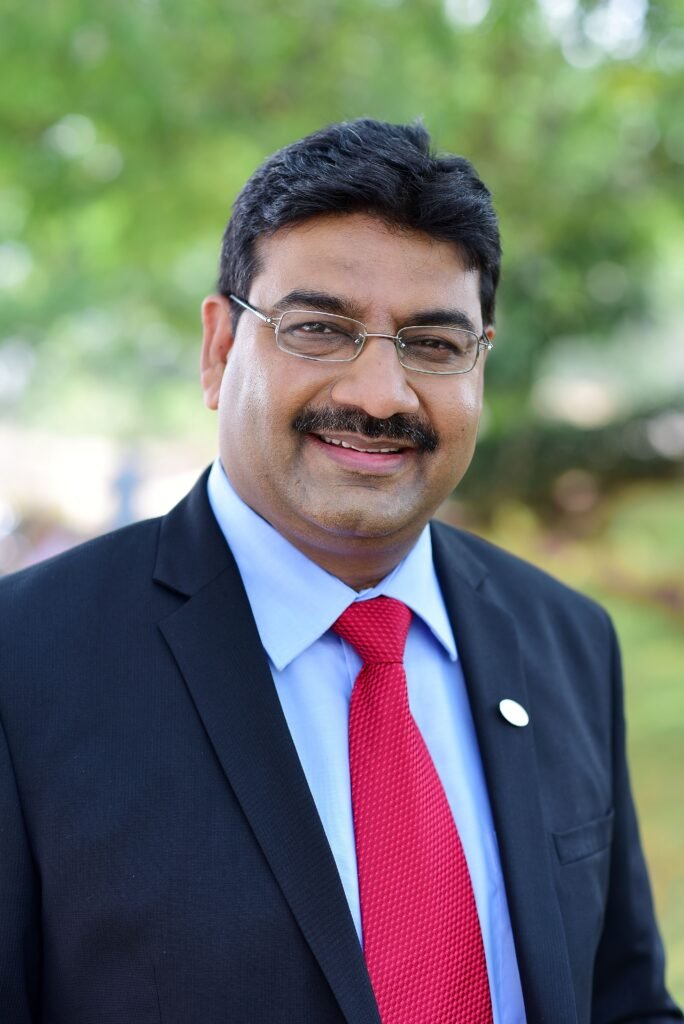
S Sunil Kumar,Country President, Henkel Adhesive Technologies
“India’s manufacturing advantage is being redefined by digitally integrated, automation-led production systems built on data, intelligence and scale, alongside a policy push to unlock Tier-2 and Tier-3 manufacturing corridors to expand market access, mobilise labour and drive job creation. Under the emphasis on “Responsible Growth,” sustainability has become central to competitiveness, shaping market access, exports and capital flows, while trust, compliance, digital transparency and predictable governance are emerging as key differentiators, supported by national platforms enabling digital manufacturing, AI adoption and structured skilling. At the same time, manufacturing competitiveness depends on resilient raw-material supply chains and advanced materials, with high-performance inputs such as adhesives, sealants and functional coatings now critical across sectors including automotive, electronics and industrial manufacturing. Continued import dependence for several specialty chemical inputs highlights the need for targeted policy support to localise critical intermediates, scale domestic production, enable technology transfer and strengthen application-led R&D. The Union Budget 2026 presents a timely opportunity to align digital manufacturing ambitions with raw-material self-reliance, strengthening India’s position as a competitive, self-reliant hub for high-performance materials and advanced manufacturing.”


Kunal Arya, Co-founder & MD of Zelio E Mobility
“We at Zelio E-Mobility believe India’s electric mobility transition will be driven primarily by two-wheelers, where affordability, daily usability, and scale are the most critical factors. Ground-level adoption trends show that sustainable EV growth depends more on long-term structural enablers than short-term subsidies, making policy stability increasingly important for manufacturers. The Union Budget 2026–27 should prioritise deeper localisation through component-specific PLI support for battery cells, controllers, and power electronics to reduce import dependence and strengthen Make in India. Rationalising GST on electric two-wheelers and enabling priority-style, low-cost financing can accelerate mass adoption more effectively than one-time incentives. A clear national charging roadmap, including a target of 50,000 public charging points by 2027 and mandatory chargers at highways and fuel stations, along with longer-tenure capital, will be essential to building a scalable and resilient EV ecosystem.”


Kartik Daftari, Managing Director & CEO at Hi-Tech Radiators
“With the upcoming Union Budget 2026, we see a clear opportunity to increase investments in power transmission, grid modernization and energy storage infrastructure. As renewable capacity is scaling quickly, strengthening high-voltage networks and storage-led grid flexibility will enhance the reliability and efficiency of the energy ecosystem. Indian manufacturers can integrate deeper into international supply chains through technology driven capacity development and localization of critical power equipment. Similarly, streamlining regulatory procedures, expanding access to long-term financing and rationalizing indirect taxes will help build businesses with ease. In order to establish India as a competitive hub for next-generation power, we want the forthcoming budget to balance industrial expansion with sustainability goals.”


Tarun Sawhney, Vice Chairman and Managing Director, Triveni Engineering & Industries
“India’s sugar sector has made steady progress in the 2025–26 season, supported by adequate sugarcane availability and improved productivity. However, rising cane prices and falling sugar realizations are straining mill finances, underscoring the urgent need to revise the minimum selling price (MSP) to ₹40–41 per kg from the unchanged ₹31 per kg since 2019 to ensure mill viability and timely farmer payments. Ethanol diversion has been limited to 34 lakh tonnes, with allocations at 290 crore litres versus an expected 450 crore litres, creating supply imbalances. Meanwhile, ethanol production costs—70–75% driven by raw materials—have risen after a 29% increase in the FRP to ₹355 per quintal, while ethanol prices remain unchanged, impacting distillery viability. With India achieving 20% ethanol blending (E20), a clear roadmap beyond E20 and targeted support for advanced biofuels such as SAF and CBG are now essential. As Budget 2026–27 approaches, aligning short-term relief with long-term clean energy policy will be critical for industry stability and farmer incomes.”


Darshan Shah, Managing Director, Harkesh Rubber
“In manufacturing sector, where continuous machinery upgrades and technology adoption are essential, higher depreciation allowances can accelerate modernization, improve productivity, and strengthen quality standards, helping Indian manufacturers compete globally. Additionally, consistent policy support for MSMEs, easier access to finance, and incentives linked to manufacturing efficiency will be crucial in strengthening India’s industrial base and enabling sustainable long-term growth.”


Ritesh Goenka, Managing Director, Damson Technologies
“We have successfully moved from ‘Imported in India’ to ‘Assembled in India’; the 2026 Budget must now build the bridge to ‘Engineered in India.’ For brands like Just Corseca investing heavily in local infrastructure, the focus must shift from basic assembly incentives to deep-tier manufacturing. We need a fiscal runway that rationalises duties on high-tech capital machinery and incentivises domestic R&D for core components like PCBAs and batteries. The government has given us the volume; now we need the policy support to own the value. This budget should be about empowering Indian brands to own the intellectual property, not just the factory floor.”


Nitin Jain, Joint Managing Director, Concord Control Systems
“As the Union Budget FY27 approaches, India’s rail and mobility ecosystem stands at a critical inflection point where scale, safety and sustainability must progress together. Enhanced capital allocation for railway modernisation, indigenous technology development and next-generation propulsion systems will be vital to meet long-term freight and passenger goals, while focused support for safety-critical systems, automation and digitalisation can further improve operational efficiency. From an industry perspective, targeted incentives for domestic manufacturing of high-value electronics, embedded systems and clean mobility solutions—along with support for hydrogen and alternative energy adoption—will accelerate innovation and reduce import dependence. Greater policy clarity on long-term procurement, faster approvals for advanced technologies and stronger R&D incentives will enable confident investment in globally competitive solutions developed in India, reinforcing the government’s ‘Make in India’ vision and advancing safer, greener and future-ready mobility.”

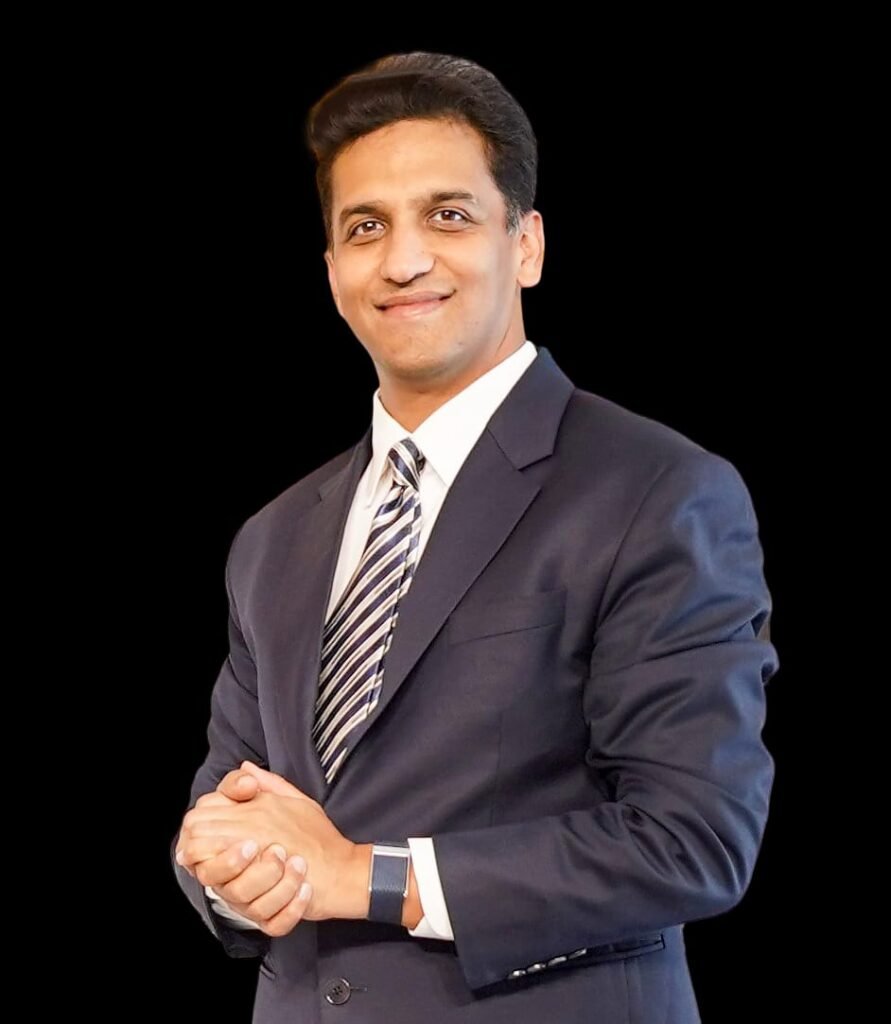
Gaurav Lath, Joint Managing Director, Concord Control Systems
“As Union Budget FY27 approaches, India’s railway technology sector stands at a pivotal moment, driven by strong leadership and a clear focus on safety, security and innovation, reflected in initiatives such as green hydrogen adoption and Kavach 4.0. We appreciate Union Minister Ashwini Vaishnaw’s emphasis on policy-led growth through infrastructure investment, manufacturing and innovation support, inclusive development and regulatory simplification, which creates a stable environment for scaling homegrown technologies and attracting global investment. The sector now seeks sustained policy support to transition green hydrogen projects from pilots to commercial deployment, along with long-term policy visibility and targeted incentives for indigenous R&D in advanced electronics. Stronger public-private partnerships, faster technology validation and streamlined certification will further accelerate innovation, strengthen Atmanirbhar Bharat and position India as a global rail technology leader. We are confident this Budget will lay the foundation for that transformation.”


